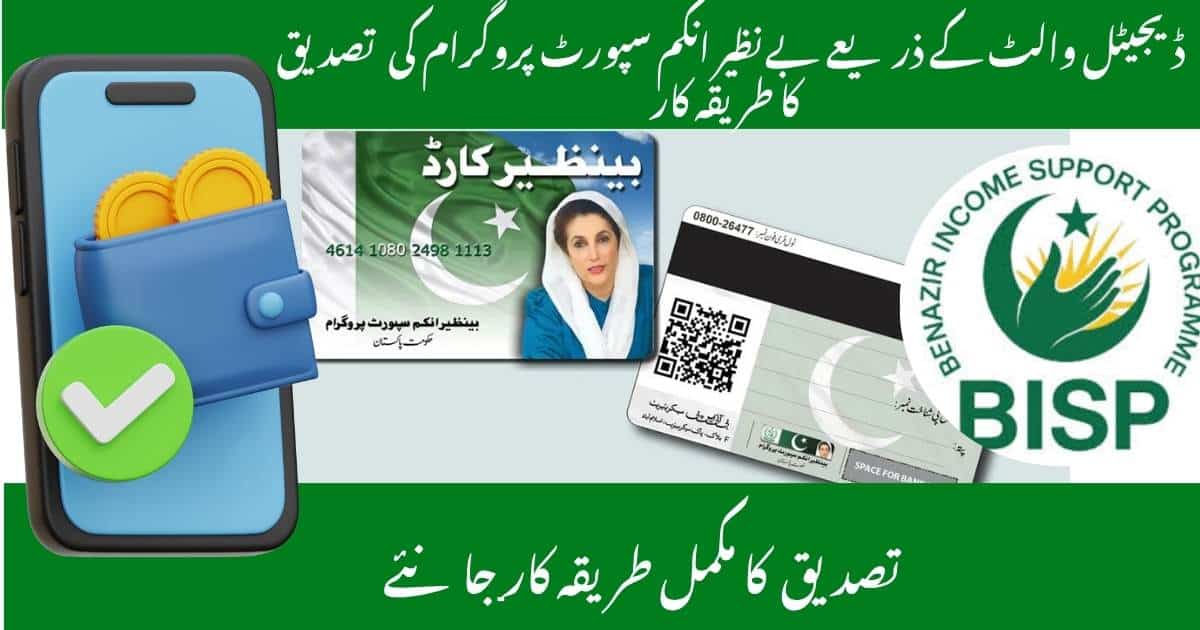
Before diving into how to use it, it’s worth understanding why the bisp 8171 Ehsaas CNIC Check even exists. For millions of low-income households in Pakistan, this simple tool—whether through online or SMS service—is a lifeline. It’s part of the Benazir Income Support Programme (BISP) and is tied with NSER and NADRA databases to confirm eligibility, reduce errors, and provide unconditional cash assistance.
I still remember when my aunt, a widow in Karachi, first checked her CNIC through bisp 8171 back in 2019, when Sania Nishtar led the program’s modernization. The quarterly stipend she received felt like a major relief, and the system showed how a government initiative could actually deliver direct support.
Simple Ways to Use the Bisp 8171 CNIC Check Today
Checking your eligibility or payment status in 2025 has become more straightforward, whether you prefer SMS, online portal, or even in-person help. I’ve personally tested both methods to help my neighbors, and here’s how each works:
- SMS Method
- Open your phone’s message app.
- Type your 13-digit CNIC number.
- Send it to 8171.
- In a few seconds, you’ll get a reply with your result—it may say eligible, ineligible, or under verification.
- Online Portal Method
- Visit the official Bisp 8171 portal on any browser.
- Enter your CNIC, solve the captcha, and click submit.
- The system instantly shows your status, saving you from long lines.
Both methods are free, quick, and linked directly to government databases for accuracy.
Reading the Results: What They Really Mean
When you get your status, it can be confusing at first. Let me break it down in plain English:
- Eligible → You meet the criteria and can collect your payment as instructed.
- Ineligible → Your poverty score (PMT) is above the threshold. If your situation changes, you can reapply later.
- Under Verification → Your data is still being reviewed; you might need to wait or complete an NSER survey.
- Survey Required → Visit the nearest BISP office for a new household review.
These categories make the process transparent and help families know exactly where they stand.
Who Qualifies: The Real Eligibility Criteria
Not everyone qualifies, and that’s important for transparency. The program targets low-income households, but within that:
- Widows and persons with disabilities are given priority.
- Families with school-going children can also benefit under the Taleemi Wazaif scheme.
- The PMT score limit is usually below 32.
- Payments are generally issued to the female head of the household.
- You must have a valid CNIC and accurate household information.
This ensures social protection reaches the most deserving applicants.
Problems You Might Face—and How to Solve Them
Even with a strong system, glitches happen. I’ve seen neighbors confused when they didn’t get their payment, but most issues have clear fixes:
- Record Not Found → Complete the NSER survey at your local office.
- Under Verification for Weeks → Call the helpline (0800-26477) or visit in person.
- Eligible but No Payment Released → Payments go out in cycles; wait for the next batch.
- Deduction Complaints → Report immediately by SMS to 8171 or call the helpline.
- Expired or Mismatched CNIC → Update your CNIC and retry.
The key is to act quickly—don’t wait months thinking it’ll fix itself.
A Real-Life Example: How One Mother Benefited
Take Ayesha, a mother from Multan. She sent her CNIC by SMS to 8171, got a message back saying she was eligible, and followed the instructions. She collected her payment from an HBL retailer without any deduction.
Her story shows how the process, though simple, brings major financial relief to a family. I’ve personally watched many such examples in my community—proving the system is both efficient and practical when used correctly.
Staying Safe: Avoiding Scams in 2025
With rising digital use, so have scams. I’ve seen fake websites, WhatsApp groups, and even people claiming they can “approve” you for a fee. Please remember:
- Only trust official SMS from 8171 and portals ending in bisp.gov.pk.
- Never share images of your CNIC, OTPs, banking PINs, or fingerprints with strangers.
- No agent is allowed to charge for eligibility checks or payments.
- Report suspicious messages immediately to the helpline.
- Watch out for phishing links on YouTube or social media accounts.
Protecting yourself is just as important as checking your status.
The Bigger Picture: Funding and Program Background
The Ehsaas Program, later fully managed by BISP, wasn’t just about handing out money. It was designed to modernize the welfare system in Pakistan. With an annual budget of nearly 400 billion rupees, the program uses biometric payment systems, NADRA-linked verification, and dynamic household surveys to reduce corruption and improve accuracy.
Kafaalat stipends, Taleemi Wazaif, and other forms of assistance are disbursed via HBL, Bank Alfalah, and other partners. It’s a well-structured policy initiative meant to deliver support where it’s needed most.
Practical Tips to Receive Your Payments Faster
Here are strategies I personally suggest—because I’ve seen people miss out due to small oversights:
- Keep your CNIC updated → Old or expired cards cause delays.
- Use a SIM registered in your name → Prevents verification issues.
- Complete your NSER survey promptly → Avoids long processing delays.
- Keep official SMS as proof → Until you actually receive the payment.
- Ask for a receipt when collecting money → Prevents unauthorized deductions.
These tips may seem basic, but they really make the process smoother.
Why the Bisp 8171 CNIC Check Is So Important
For millions of households across Pakistan, the Bisp 8171 CNIC Check isn’t just a tool—it’s a vital support system. It provides clarity, transparency, and quick access to financial assistance.
More than once, I’ve seen people plan their payments, avoid scams, and get their rightful support simply because they used this free, reliable service correctly. It reduces stress, eliminates misinformation, and gives people confidence in the system.
Method 1: Online CNIC Verification – Your Anytime Option
I recommend the online portal if you have internet access. It’s secure, available 24/7, and lets you check from home.
- Go to the official Bisp 8171 portal.
- Enter your 13-digit CNIC.
- Complete the captcha.
- Click submit and instantly see your details.
It’s the most convenient option for many families—no queues, no middlemen.
Method 2: SMS to 8171 – Quick and Private
If you don’t have the internet, SMS is your best bet. It’s discreet and private.
- Type your 13-digit CNIC in a new message.
- Send it to 8171.
- Get an instant reply with your eligibility and installment update.
I’ve used this method myself while helping older relatives. It’s fast and requires only a phone.
Information You’ll Need for Verification
Before you start, make sure you have these on hand:
- A valid CNIC (13-digit)
- A mobile phone with a registered SIM in your name
- Optional internet for portal use
- Sometimes an OTP or biometric identity card verification
- Household data already in NSER and NADRA databases
Missing even one piece can delay the verification process.
Quick Overview at a Glance
- Program Name: Bisp 8171 Ehsaas CNIC Check
- Alternate Option: Send SMS to 8171
- Eligibility Basis: NSER survey and poverty score
- Requirements: Valid CNIC, mobile number, captcha verification
- Cost: Free of charge
- Results: Eligible, Ineligible, Under Review, Required
- Payment Frequency: Quarterly (Rs 9,000–10,500 earlier, now Rs 13,500)
- Cash-out Partners: HBL, Bank Alfalah, ATMs, retail agents
- Helpline: 0800-26477
Conclusion
The BISP 8171 CNIC Check has become more than a simple verification tool—it’s a vital support system for millions of households across Pakistan. By using either the online portal or the SMS service, families can confirm their eligibility, monitor payments, and avoid scams.
What makes this system powerful is its transparency and reliance on NADRA-linked databases, biometric verification, and dynamic surveys. The result is a welfare program that not only delivers financial assistance but also builds trust in the government initiative.
From Ayesha’s real-life example in Multan to the countless families I’ve personally helped navigate the process, the message is clear: with the right steps—keeping your CNIC updated, using a registered SIM, and trusting only official channels—you can receive your payments quickly and securely.
In 2025, the 8171 Ehsaas Program continues to be a beacon of relief, proving that when systems are well-managed, they truly change lives.
Frequently Asked Questions (FAQs)
1. How can I check my BISP 8171 payment?
You can check through the 8171 SMS service by sending your 13-digit CNIC or by visiting the official 8171 portal (8171.bisp.gov.pk) for instant results.
2. How much is the BISP payment in 2025?
In 2025, the quarterly Kafaalat stipend is Rs 13,500 per eligible household, collected via HBL, Bank Alfalah agents, ATMs, or BISP centers.
3. Who is eligible for BISP 8171?
Low-income households verified by the NSER survey qualify. Priority goes to widows, persons with disabilities, and families with school-going children.
4. How do I avoid scams related to 8171?
Only trust SMS from 8171 and the official bisp.gov.pk portal. Never share OTPs, CNIC images, or PINs, and report suspicious messages to the helpline (0800-26477).
1 Comment